This 27-mile valley of ice sits two hours outside Anchorage, letting you pull off the Glenn Highway and walk directly onto a 300-foot-thick frozen river. Strap on microspikes to step over deep turquoise moulins and active crevasses instead of just looking at them through binoculars.
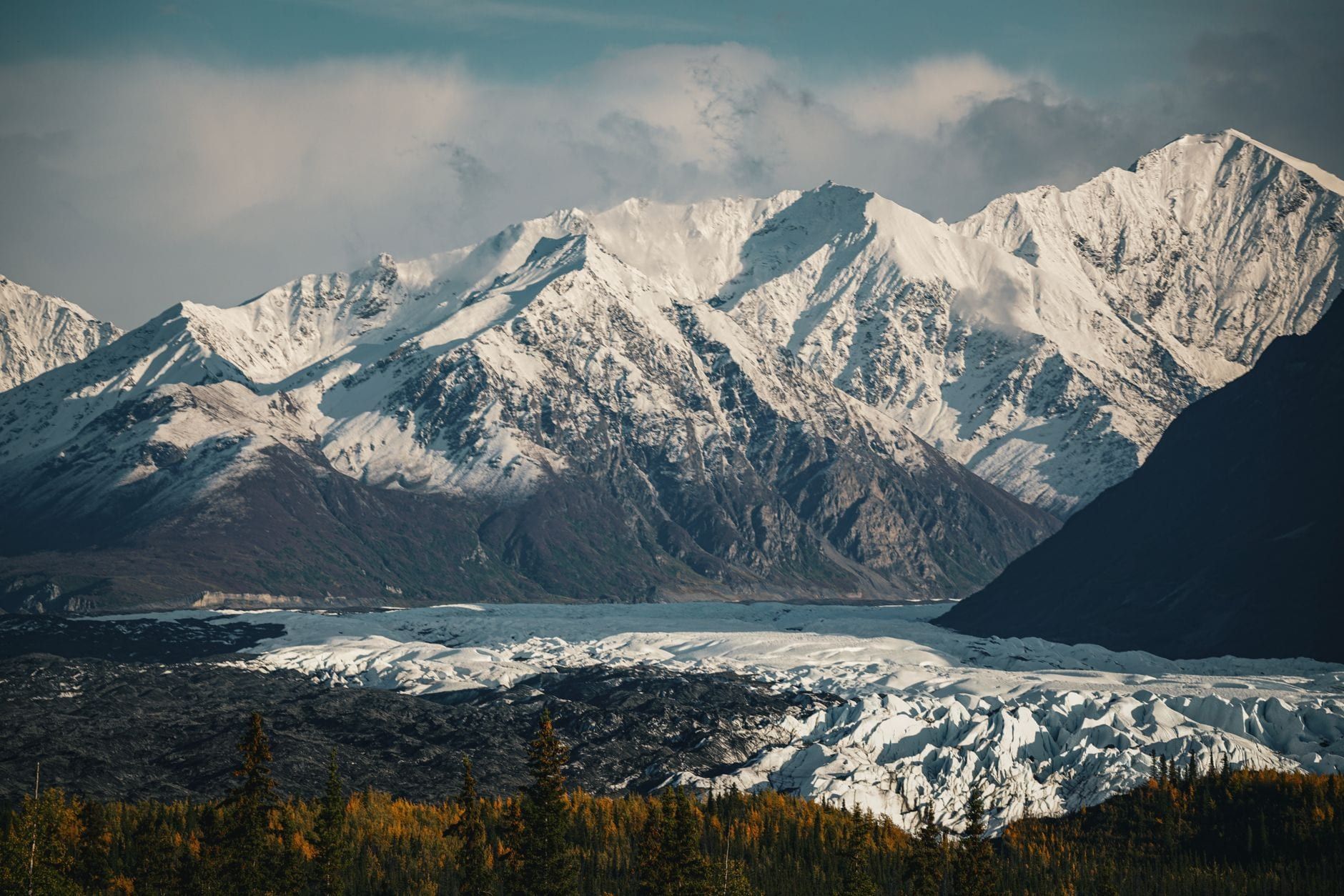
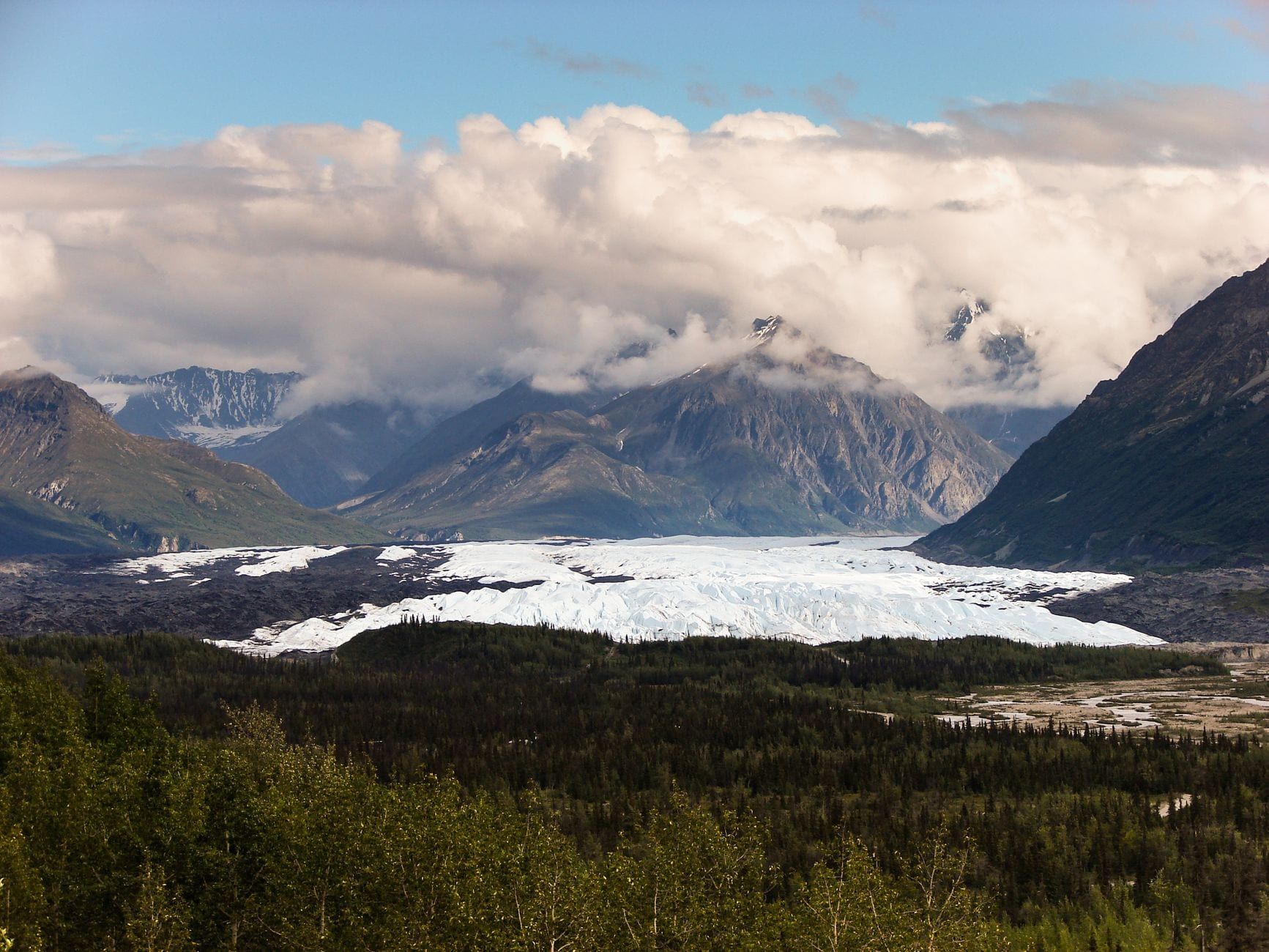
Find Guided ToursMatanuska Glacier is a 27-mile-long river of ice in Alaska's Chugach Mountains. It terminates right near the Glenn Highway, about 100 miles northeast of Anchorage. That proximity makes it the largest glacier in the United States you can reach by car. You don't need a boat or a bush plane to see it. Visitors drive within a short walk of the ice edge, accessing a landscape of deep crevasses and turquoise meltwater pools. Alaska Magazine ranked it the second best place to visit in the state.
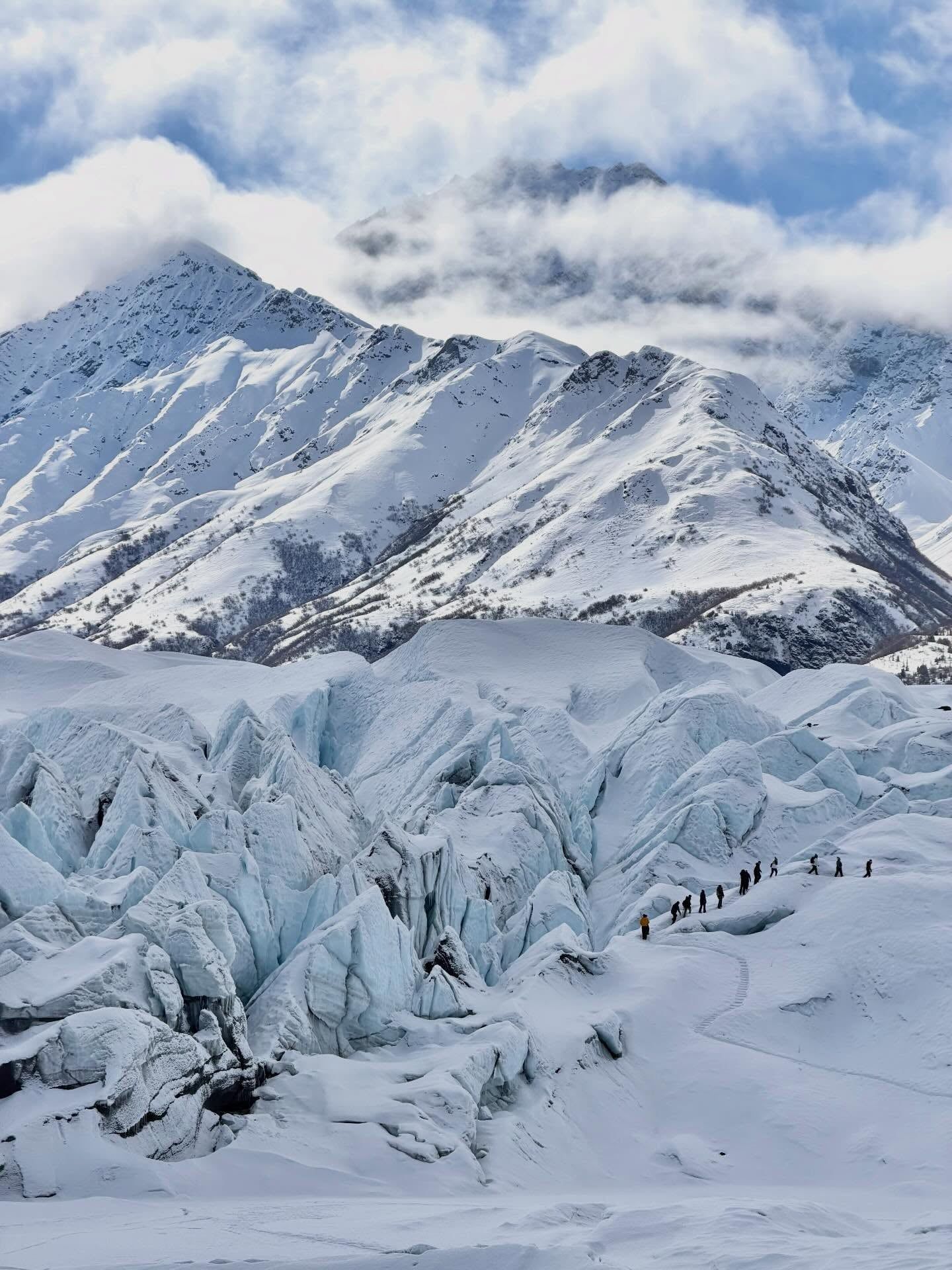
Ice flows from an accumulation zone near Mount Marcus Baker, a peak hitting 13,176 feet. Squeezing down a U-shaped valley, the glacier averages two miles wide before flaring out to four miles at the terminus. It advances internally about one foot per day. Even with this constant forward grind, Matanuska is officially retreating. But it shrinks slowly. Studies show the terminus barely moved between the 1970s and 2007.
During the Last Glacial Maximum about 21,000 years ago, Matanuska merged with the Knik Glacier. This combined ice sheet stretched 50 miles west, reaching the present-day Anchorage Lowland and pushing up the Elmendorf Moraine. Retreat happened in two major phases. The first pullback occurred between 16,800 and 16,400 years ago. That initial melt carved the deep valley that the Matanuska River and the Glenn Highway occupy today.
Land around the modern terminus is divided. Alaska runs a public recreation site at Mile 101, offering views but no ice access. Actually touching the glacier requires crossing private property at Mile 102, operated by an entity affiliated with Cook Inlet Region, Inc. This choke point has drawn coverage from the Washington Post and the Anchorage Daily News, since a private gate controls the only practical path to the ice. If you want to walk on the frozen surface, budget for this mandatory access fee.
Discover the full history and cultural significance on our About page.
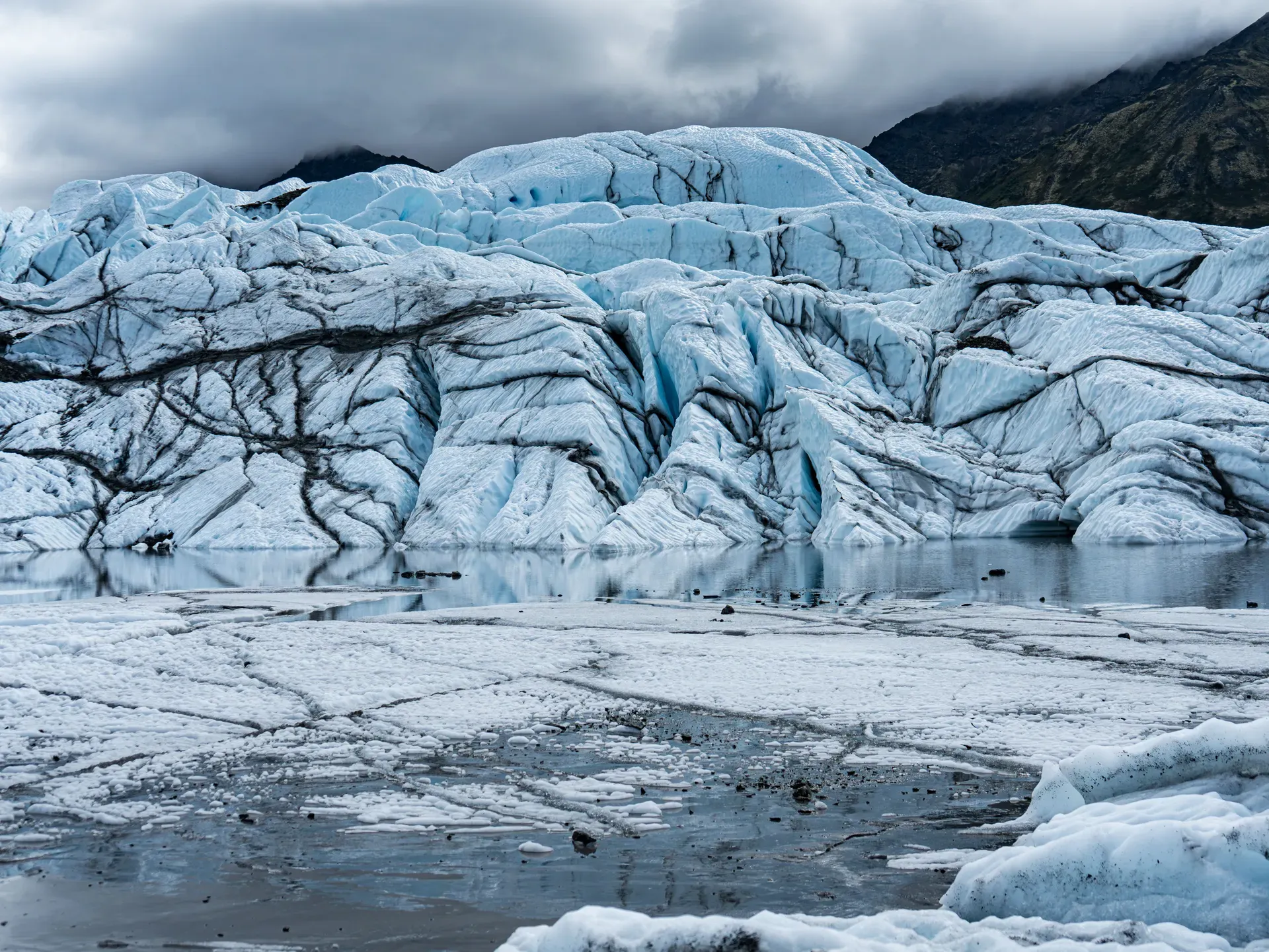
The terminus parking area sits directly on a 300-foot-thick tongue of ancient ice. A thin layer of dirt hides the frozen river. Guides often let you scrape back this moraine surface to reveal the dense blue ice right under your boots.
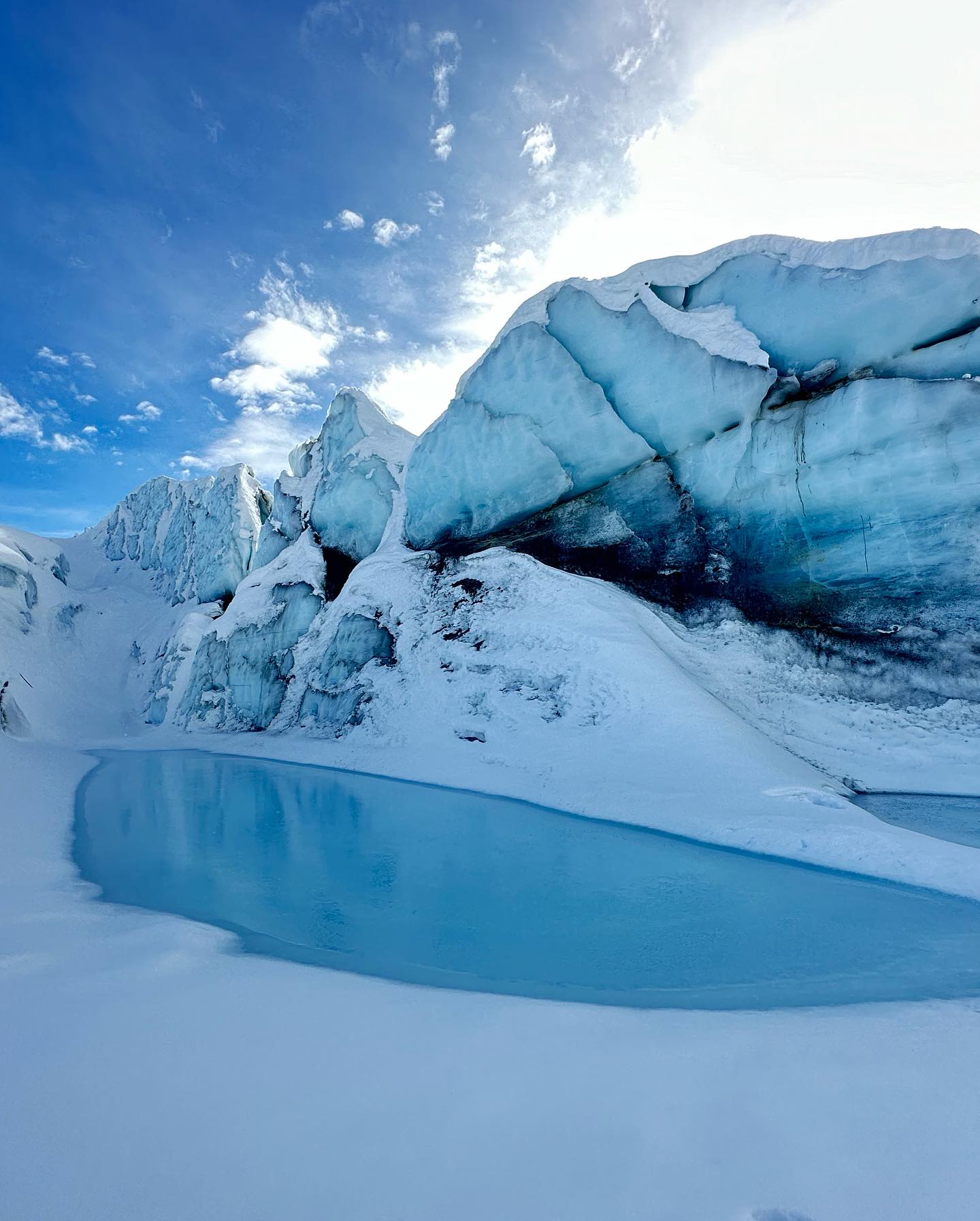
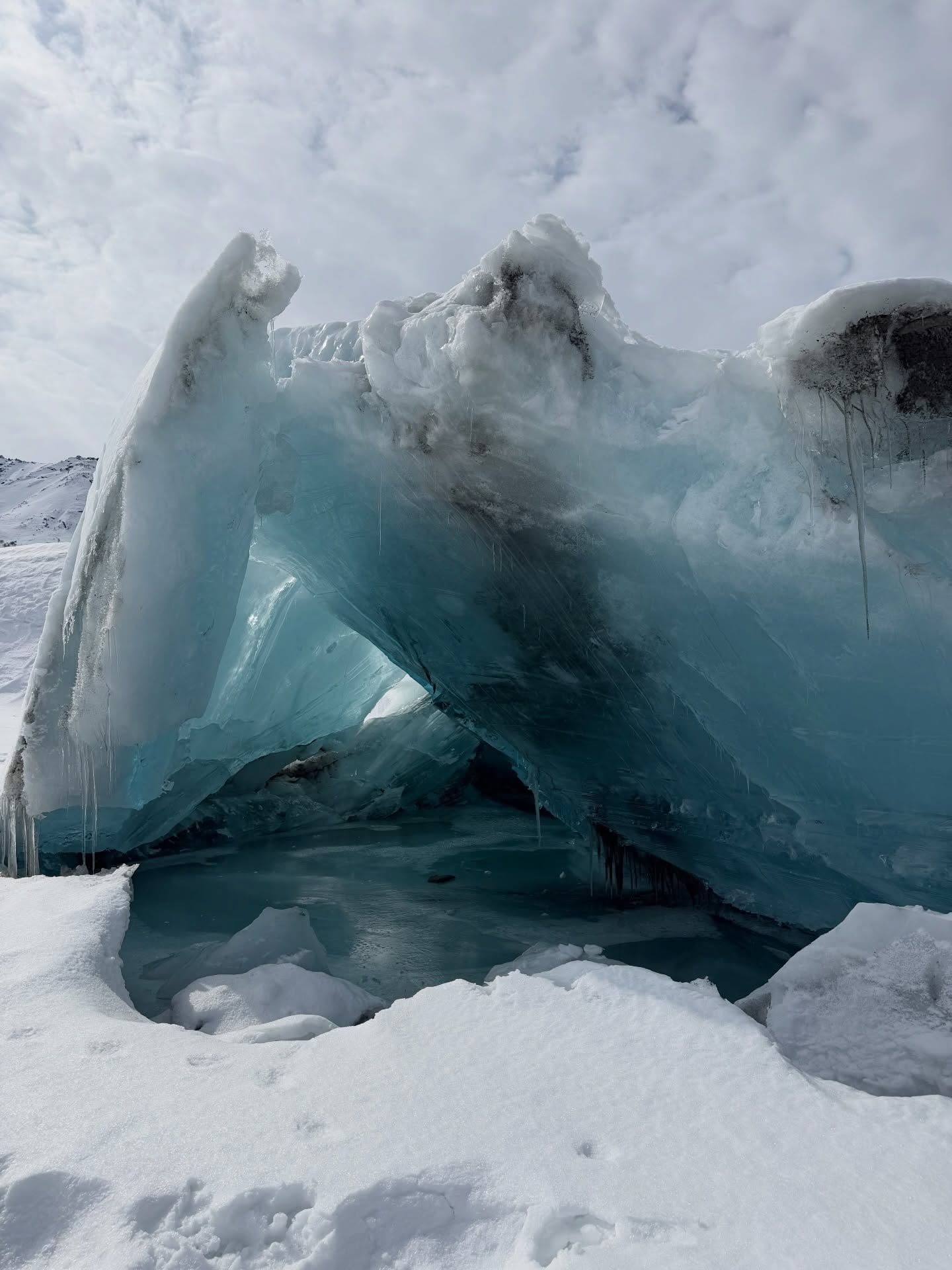
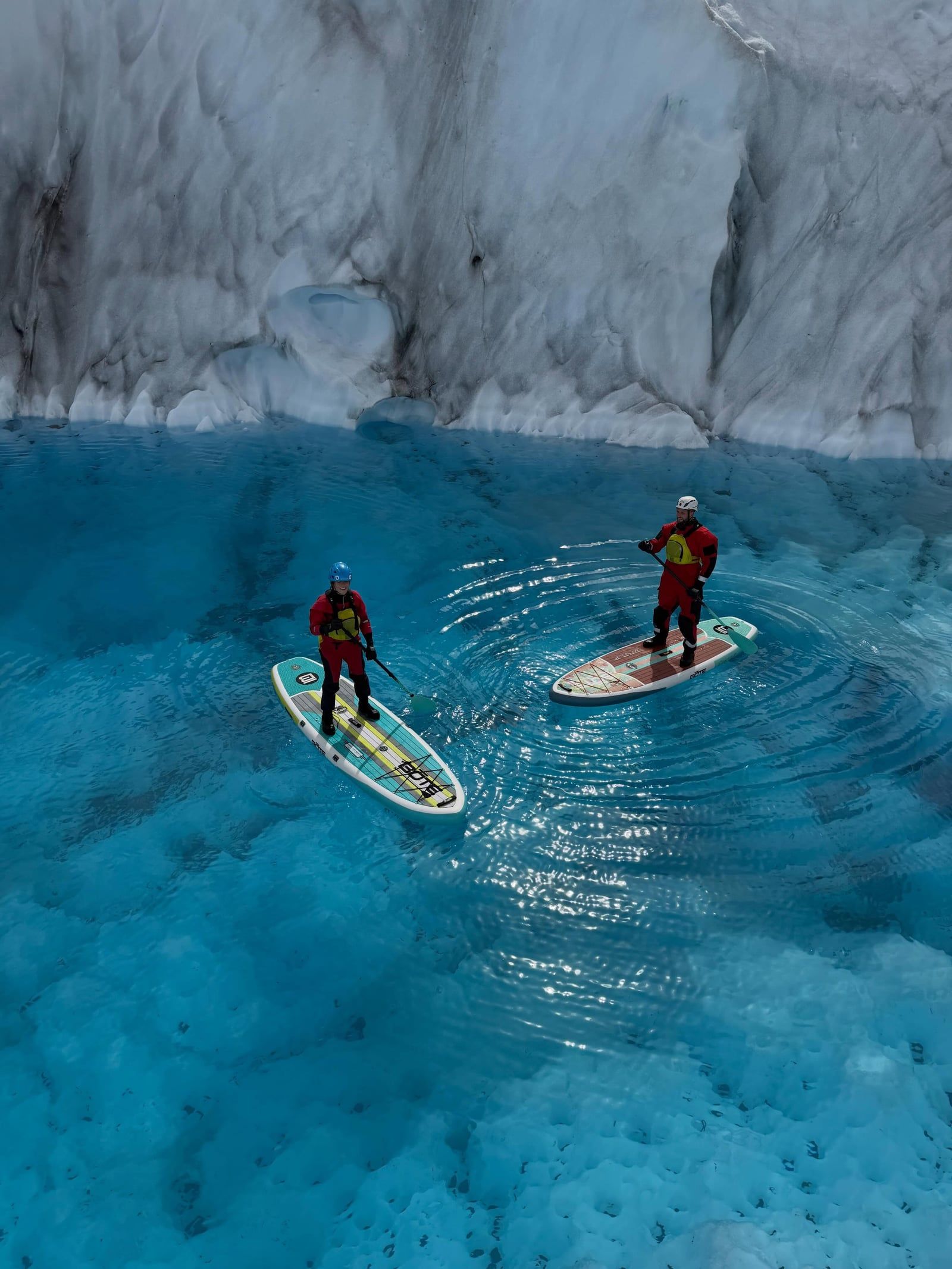
Vertical drainage shafts called moulins frequently freeze at the bottom and fill with meltwater. This creates deep, brilliantly turquoise pools across the glacier. Their exact color and depth shift every year, offering a sharp contrast against the surrounding white and gray ice.
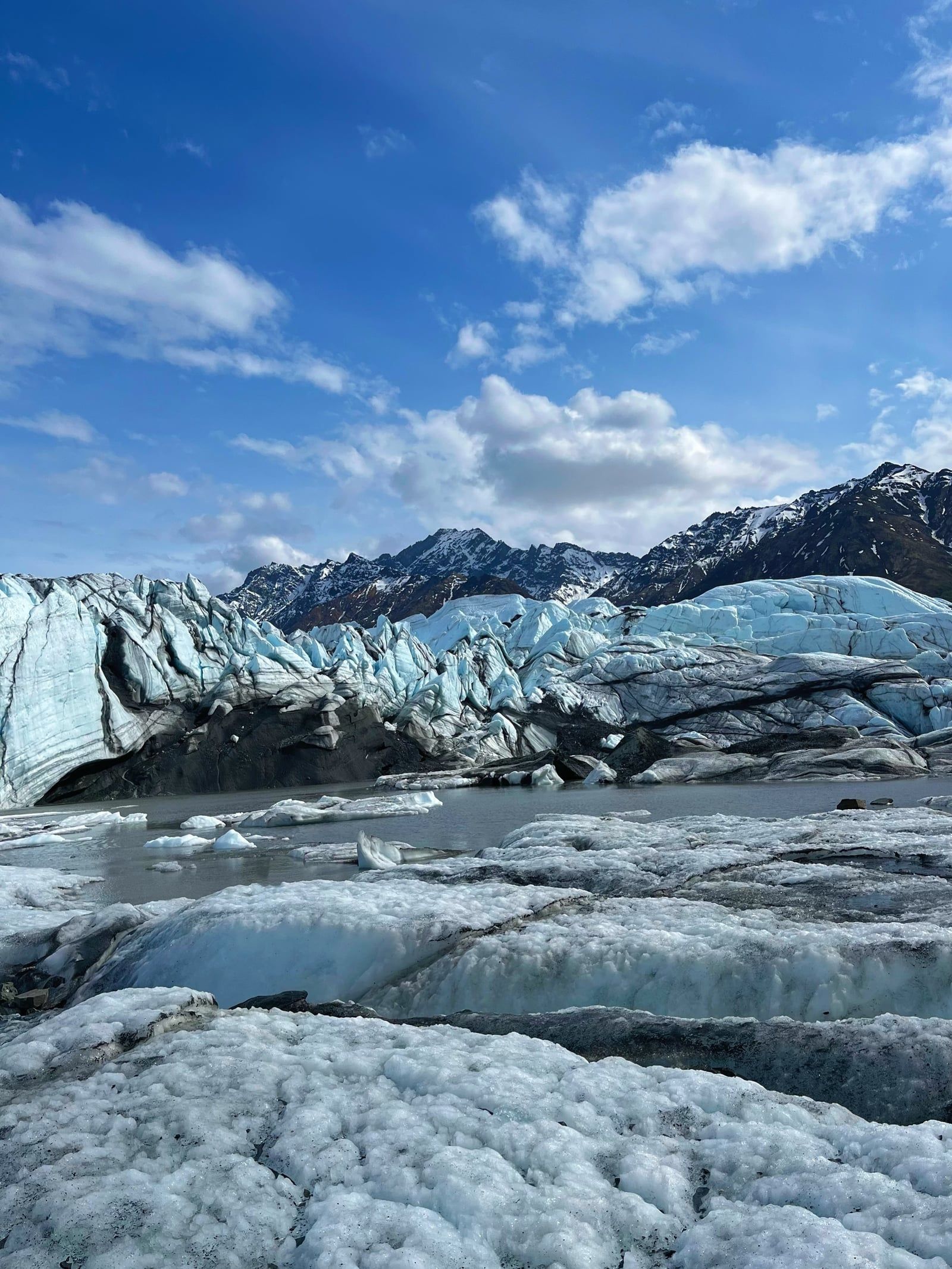
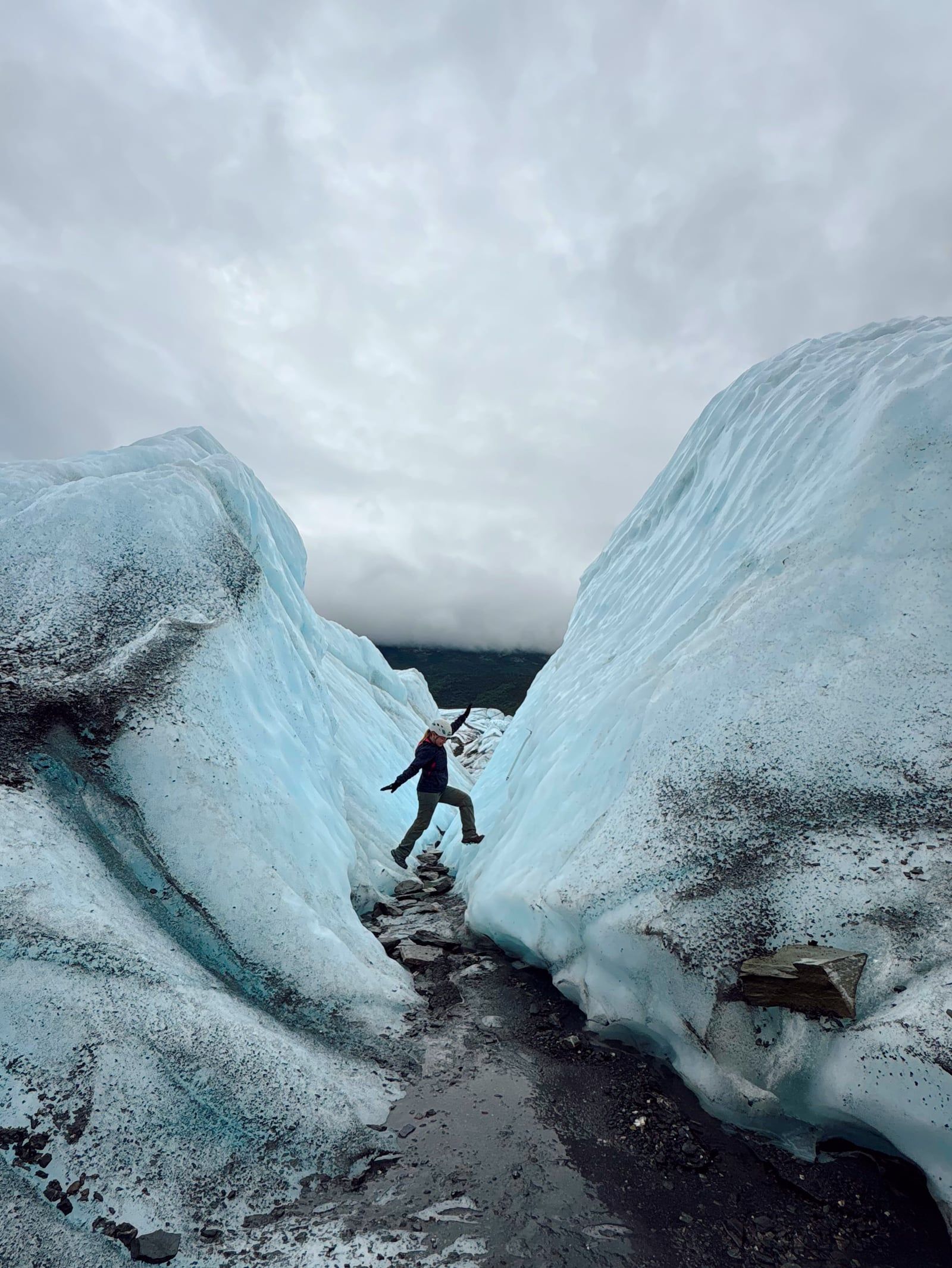
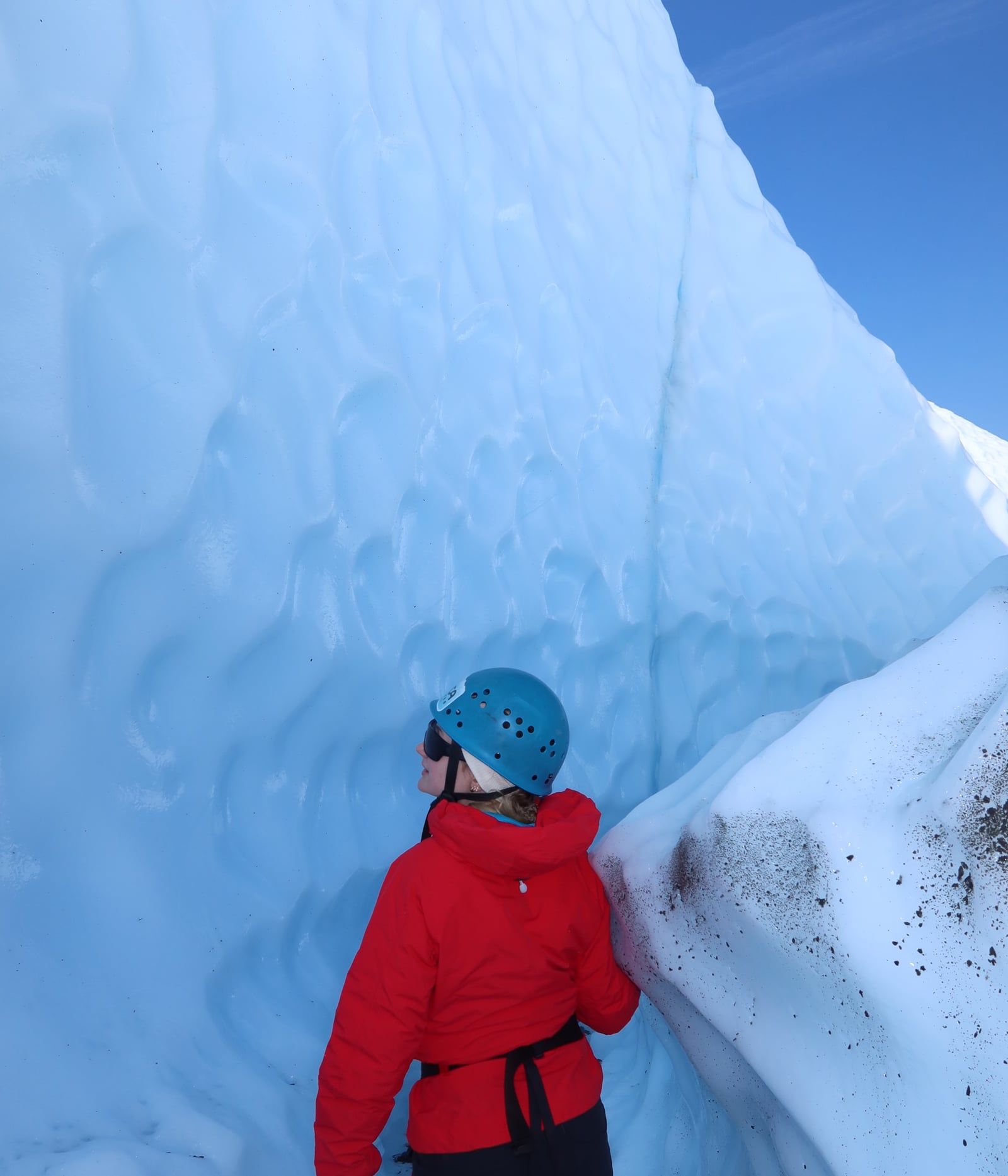
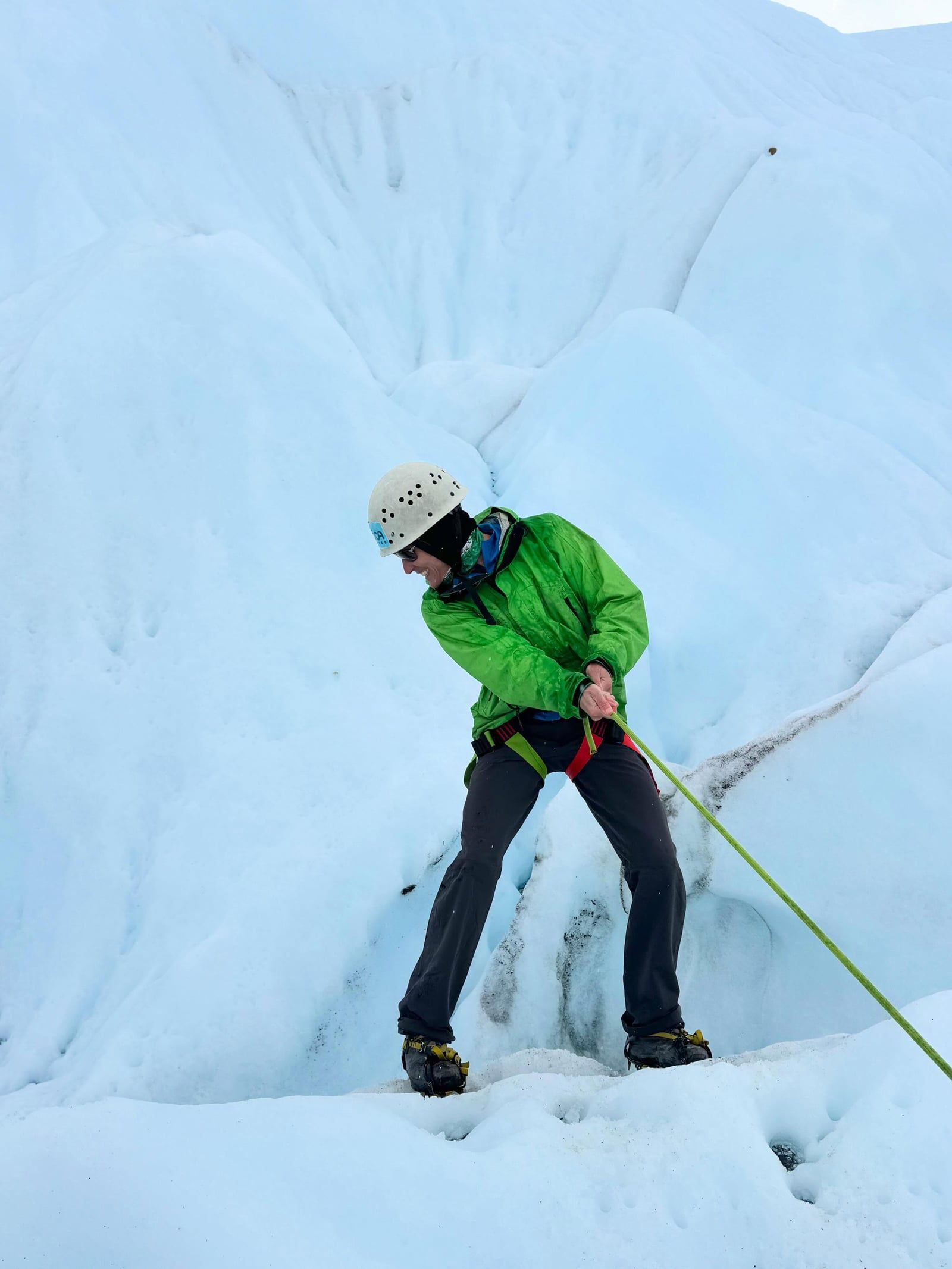
Smooth blue ice faces rise dramatically from the valley floor near the guided trekking routes. On most summer days, you'll spot climbers swinging tools into the glacier's headwall. Adventure treks lasting up to eight hours let you tackle these vertical sections yourself.
Skip the private gate fee and stay at the Matanuska Glacier State Recreation Site. You'll wake up to direct views of the ice from 12 gravel campsites. A 20-minute walk through the forest on the Edge Nature Trail leads to dedicated viewing platforms.
Choose a guided hike starting at $115 that includes required ice gear and free cancellation up to 24 hours before departure.
Swipe to see more
June through August is the best window for stable ice, warmer temperatures, and up to 19 hours of daylight. Summer also allows for self-guided access, whereas other seasons require a certified guide.
Rapid melting and refreezing make trail conditions highly unpredictable. Crevasses open to their widest and most hazardous states. Skip this window.
Ice conditions stabilize for walking. Late June brings up to 19 hours of daylight, and July adds wildflowers along the access trail. Guided tour companies operate at full capacity.
Tour schedules wind down after September 10. By October, unpredictable freezing degrades trail conditions rapidly. A certified guide becomes mandatory for any access to the ice.
Temperatures drop well below zero. Daylight is severely limited and the upper glacier becomes unsafe. But guided tours can explore seasonal blue ice caves forming on the frozen lake.
The private access gate at Mile 102 runs tours daily from 9 AM to 5 PM in summer, with common check-in slots spanning 9 AM to 3 PM. You can visit year-round, including holidays. Summer is the only time self-guided access is allowed. During winter, spring, and fall, you must hire a certified guide to pass the private gate. Down the road at Mile 101, the State Recreation Site viewing area lacks strict daytime gate hours and stays open until winter snow and ice block the road.
| Category | Price |
|---|---|
| Private Gate Access - Adult (17+) | $55 |
| Private Gate Access - Teen (13-16) | $25 |
| Private Gate Access - AK Resident, Military, or Senior (65+) | $30 |
| Private Gate Access - Child (8-12) | Free |
| State Recreation Site (Mile 101) - Day Use | $7 per vehicle |
| Guided Tour Packages (Additional) | $100 - $249 per person |
Alaska State Park and America the Beautiful passes do not work at the private Mile 102 gate. You have to pay the access fee directly to the landowner and sign a liability waiver, even if you already booked an additional guided tour package.
For complete schedules and ticket prices, visit our Hours & Fees page.
Drive northeast from Anchorage on the Glenn Highway for about 100 miles. The route takes roughly two hours and leads directly to the Mile 102 access gate.
📍 Mile 102 Glenn Highway (Basecamps at 38100 W Glenn Highway)
Drive north out of Anchorage on Alaska Route 1. The Glenn Highway takes you through Palmer and the small community of Chickaloon at Mile 76. Keep going until you spot a blue 'Glacier Park Glacier Access' sign around Mile 102. Turn here. This private road leads straight down to the glacier office and parking area.
Book a day trip leaving directly from an Anchorage hotel. Companies like NOVA Alaska Guides, MICA Guides, and Glacier Tours handle the driving and supply the trekking gear. It takes the stress out of navigating. Check-in slots run from 9 AM to 2 PM. Just remember the private glacier access fee is not included in your shuttle price.
Travelers combining Prince William Sound with interior road trips often drive in from the east. Head west on the Richardson Highway. When you hit the Glennallen junction, take the Glenn Highway west toward Mile 102. The 190-mile route takes over four hours. It puts you at the glacier gate well before the final afternoon tours depart.
Palmer is the closest sizeable town and the best place to buy fuel before hitting the ice. Drive northeast on the Glenn Highway Scenic Byway for 52 miles. The road is paved. But it winds heavily through the Chugach foothills, and slow RV traffic will drag out the drive. You'll reach the private gate at Mile 102.
For detailed transport options and routes, visit our Directions page.
Budget three to five hours for the glacier visit, plus the two-hour drive from Anchorage. Pay the private access fee online to speed up check-in. You'll also want a 30-minute buffer for Glenn Highway construction delays.
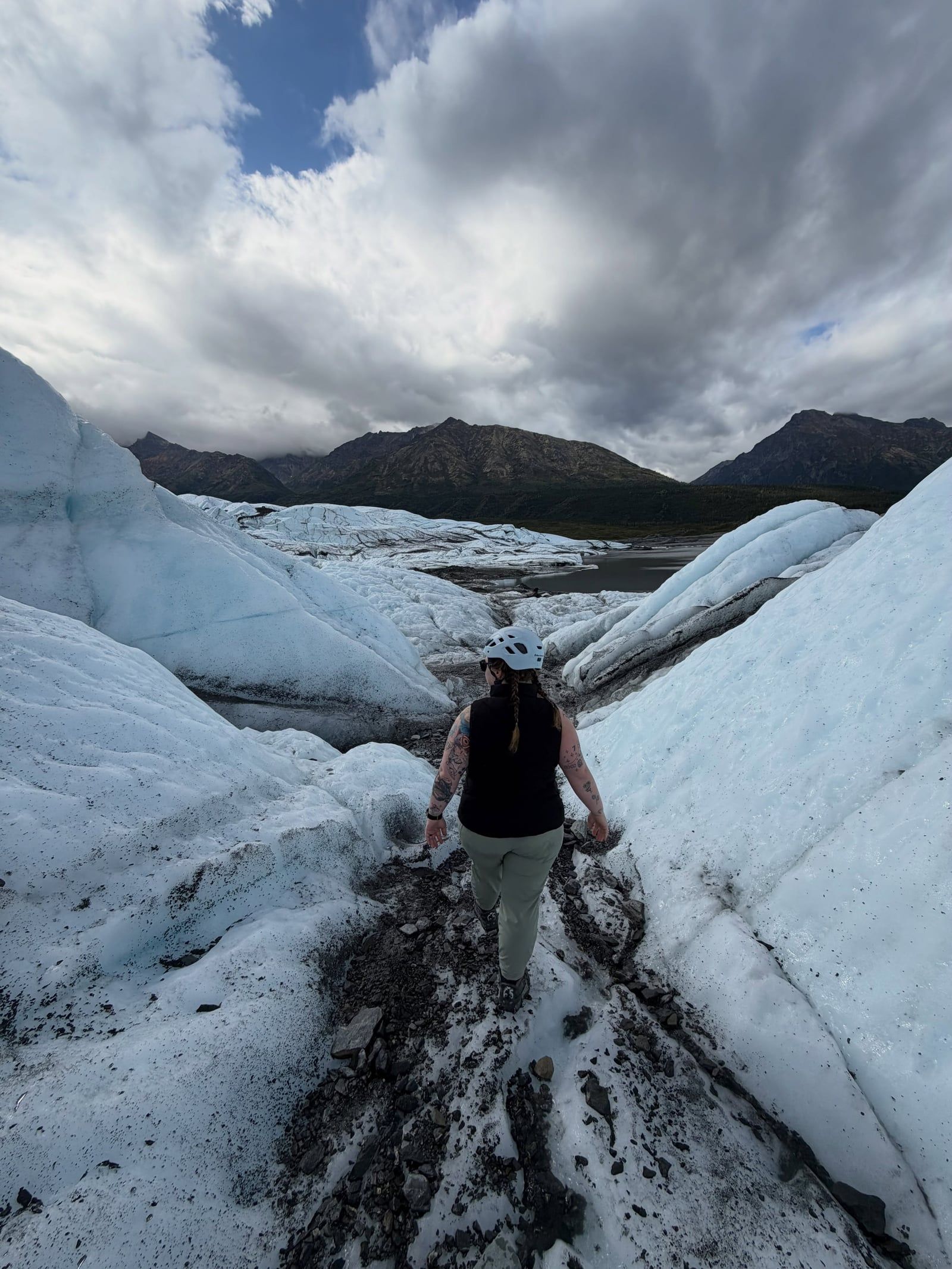
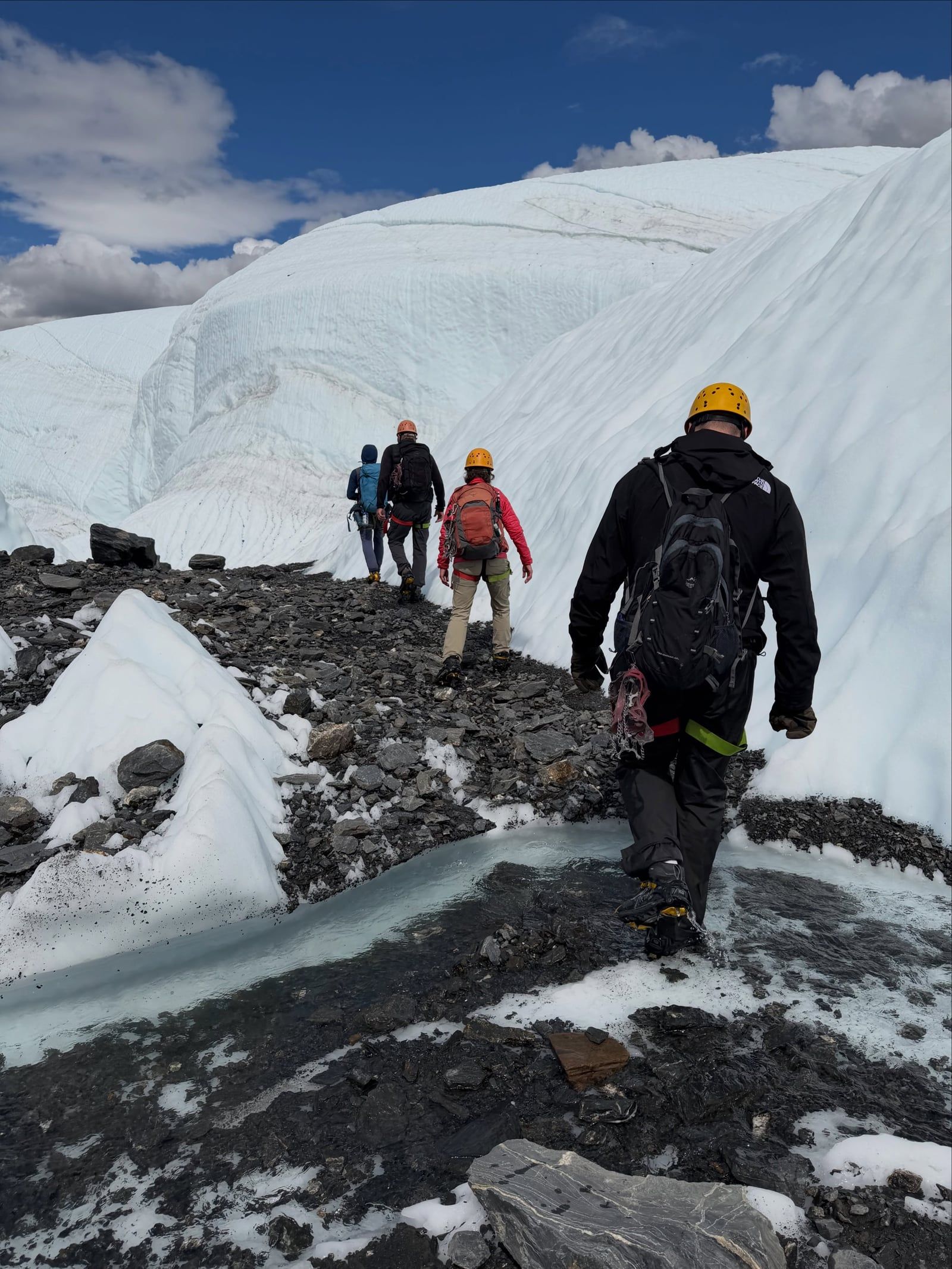
Operators provide microspikes, but they only fit shoes between a US kids size 2 and a men's 15. If your feet fall outside that range, you'll need your own traction gear. Wear sturdy waterproof boots to support the metal spikes.
Don't step off the marked trail across the moraine flats near the parking area. The ground looks solid, but agitated glacial silt acts like quicksand. A boot sunk just an inch can get completely trapped by the suction.
The only road touching the ice crosses private land at Mile 102. America the Beautiful and Alaska State Park passes won't cover your entry. Expect a separate gate fee—quoted at $55 for adults in 2026—even if you walk without a guide.
If you just want a photo without the private gate fee, pull into the Matanuska Glacier State Recreation Site at Mile 101. Parking is $7 per vehicle. A 20-minute walk down the Edge Nature Trail leads to dedicated viewing platforms.
Temperatures drop sharply once you step onto the ice, even in July. Cold katabatic winds blow constantly down the 27-mile glacier surface. Bring gloves and a warm jacket, because it feels significantly colder here than in Anchorage or Palmer.
This rustic lodge at Mile 113.5 serves fresh Alaskan seafood and operates helicopter flightseeing tours. Grab a cabin for the night. They also maintain a local hiking trail network.
Pull over near Mile 76 to see King Mountain's conical peak above the braided river. It's a quiet riverside campground. Stop here to fish or break up the drive.
Glacier meltwater feeds this river, creating the Lion's Head whitewater run. Local outfitters guide rafting trips here. It's an easy add-on to a morning ice trek.
Read what travelers share about their experience visiting Matanuska Glacier — from practical tips to personal highlights.
Planning advice, comparisons, and practical tips.
Matanuska Glacier lets you walk onto real ice about two hours from Anchorage, but you can't just park and wander out onto the crevasse field. A…
Yes, Matanuska Glacier really does grow ice caves — but they aren't a fixed attraction you can pin on a map and drive straight to. Meltwater carves…
Viewing the ice from the state recreation site at Mile 101 costs $7 per vehicle. Walking on the glacier requires passing through a private gate at Mile 102, which charges a separate fee of $55 for adults, $25 for teens, and free for children 8 to 12. National and state park passes don't cover this access charge.
The glacier access gate sits 102 miles northeast of Anchorage along the Glenn Highway. The drive takes roughly 2 to 2.5 hours each way. Add 30 minutes to your travel time to account for summer road construction.
June through August offers the most stable ice conditions for walking and up to 19 hours of daylight. Spring and late fall bring unpredictable melting and wider, hazardous crevasses. Winter access requires a certified guide to safely navigate the snow-covered upper glacier and frozen lake.
You can hike a marked, self-guided trail during the summer after paying the private gate fee and signing a waiver. Venturing beyond that trail, or visiting during winter, spring, and fall, means you'll need a certified guide. Tour packages run an additional $100 to $249 per person.
Standard guided treks and self-guided walks to the terminus take 1.5 to 3 hours. Adventure tours and ice climbing excursions run 6 to 8 hours. Budget at least 5 hours total if you're driving from Anchorage.
Wear sturdy, waterproof hiking boots. Tour operators provide rental microspikes or crampons, which fit US shoe sizes from kids 2 through mens 15. Flip-flops and loose footwear aren't permitted on the ice.
The state recreation site at Mile 101 has ADA-accessible toilets and viewing areas right from the parking lot. The actual glacier surface and the trail from the private Mile 102 parking lot are not accessible. That path crosses uneven moraine, metal grates, and soft glacial silt.
Children as young as 8 can join standard family tours, which cover 1.5 to 2 miles at a slower pace. Kids must be closely supervised at all times due to open crevasses and patches of deep glacial silt. Off-trail exploration by children is strictly prohibited.
Browse verified tours with free cancellation and instant confirmation.
Find Tours


