Yes, Matanuska Glacier really does grow ice caves — but they aren't a fixed attraction you can pin on a map and drive straight to. Meltwater carves tunnels and chambers into the ice each year, and those same tunnels can widen, refreeze, or collapse within weeks. Whether you actually stand inside one depends on when you show up and who you book with.
This guide covers what the caves actually are, when they're most likely to be open, what a guided visit costs, and the real risks involved — plus where to go if conditions close them off entirely on your dates.
Do Ice Caves Actually Exist at Matanuska Glacier?
Yes. An ice cave here is a tunnel or chamber melted into the glacier by running water, different from a crevasse (a surface crack that opens as the ice stretches) or a moulin (a vertical shaft where meltwater drains straight down into the ice). Guides sometimes find caves that started life as moulins and widened sideways as summer melt hollowed out the surrounding ice.
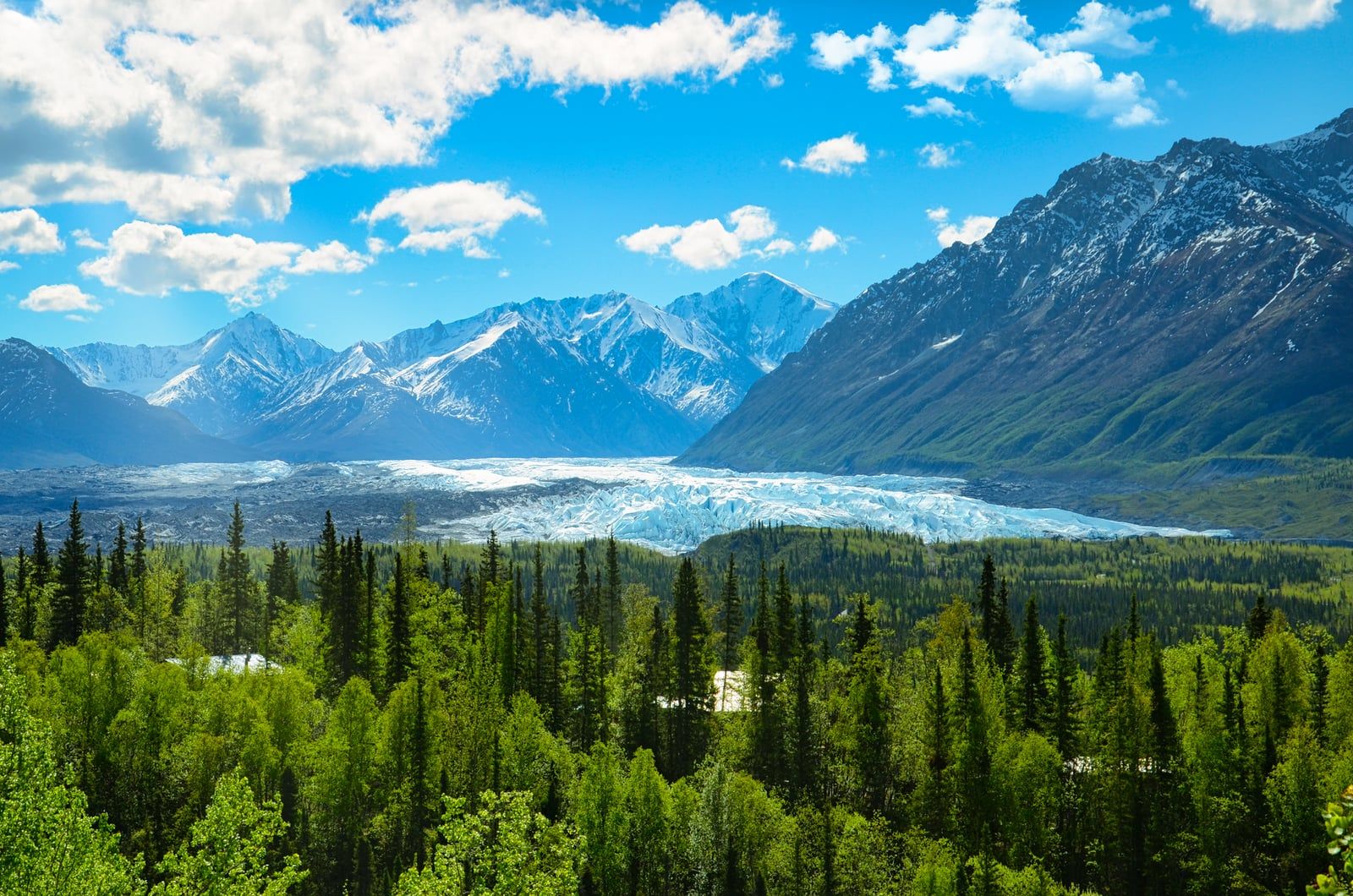
Matanuska is a grounded glacier — it rests on solid land rather than floating on water — and that makes its ice noticeably steadier than caves carved into calving, water-terminating glaciers elsewhere in Alaska. That's part of why guided groups can keep going onto the ice season after season. A stable glacier doesn't mean a stable cave, though: individual tunnels open, widen, and collapse on their own schedule, which is why tour listings describe cave visits as "when available" rather than guaranteed.
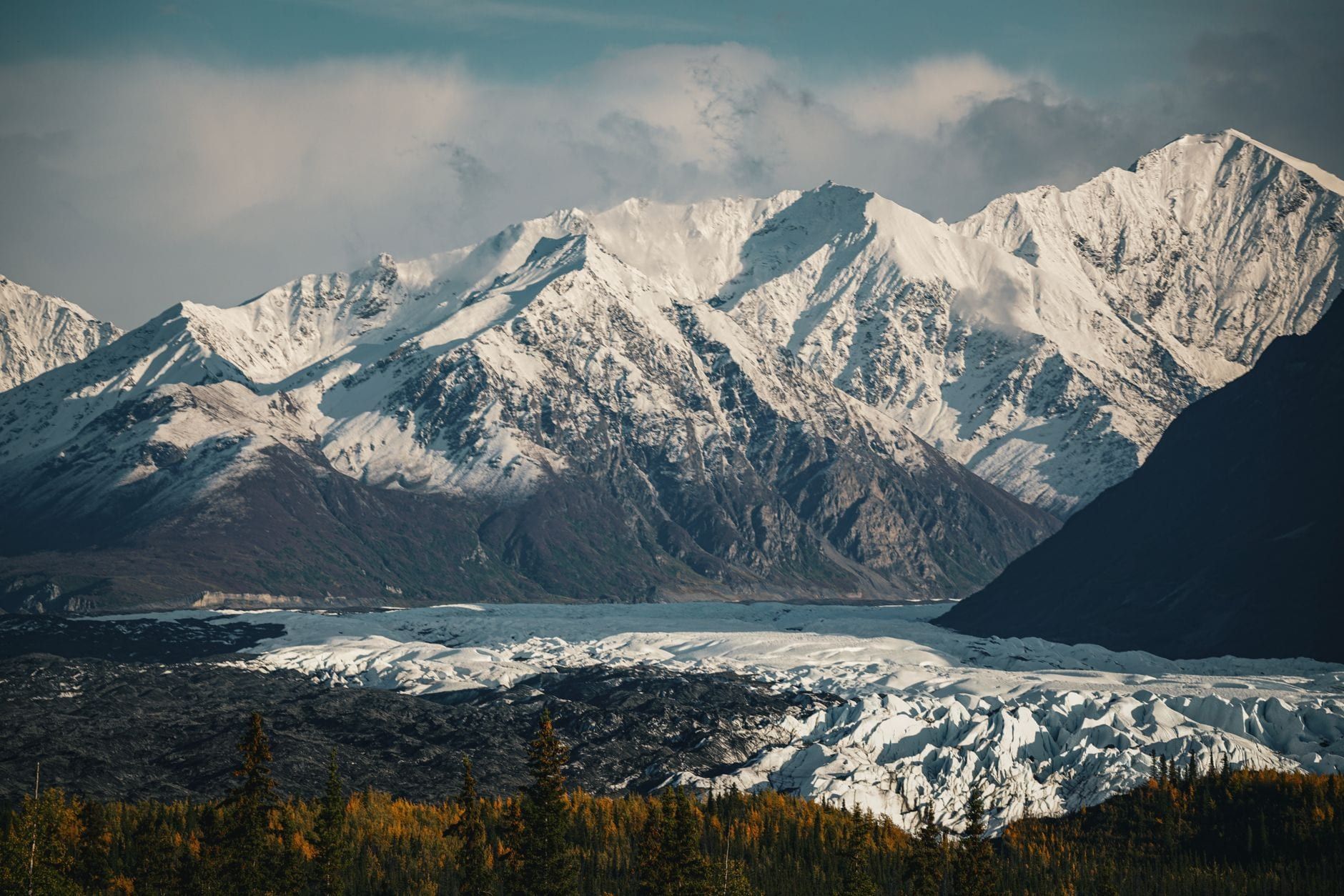
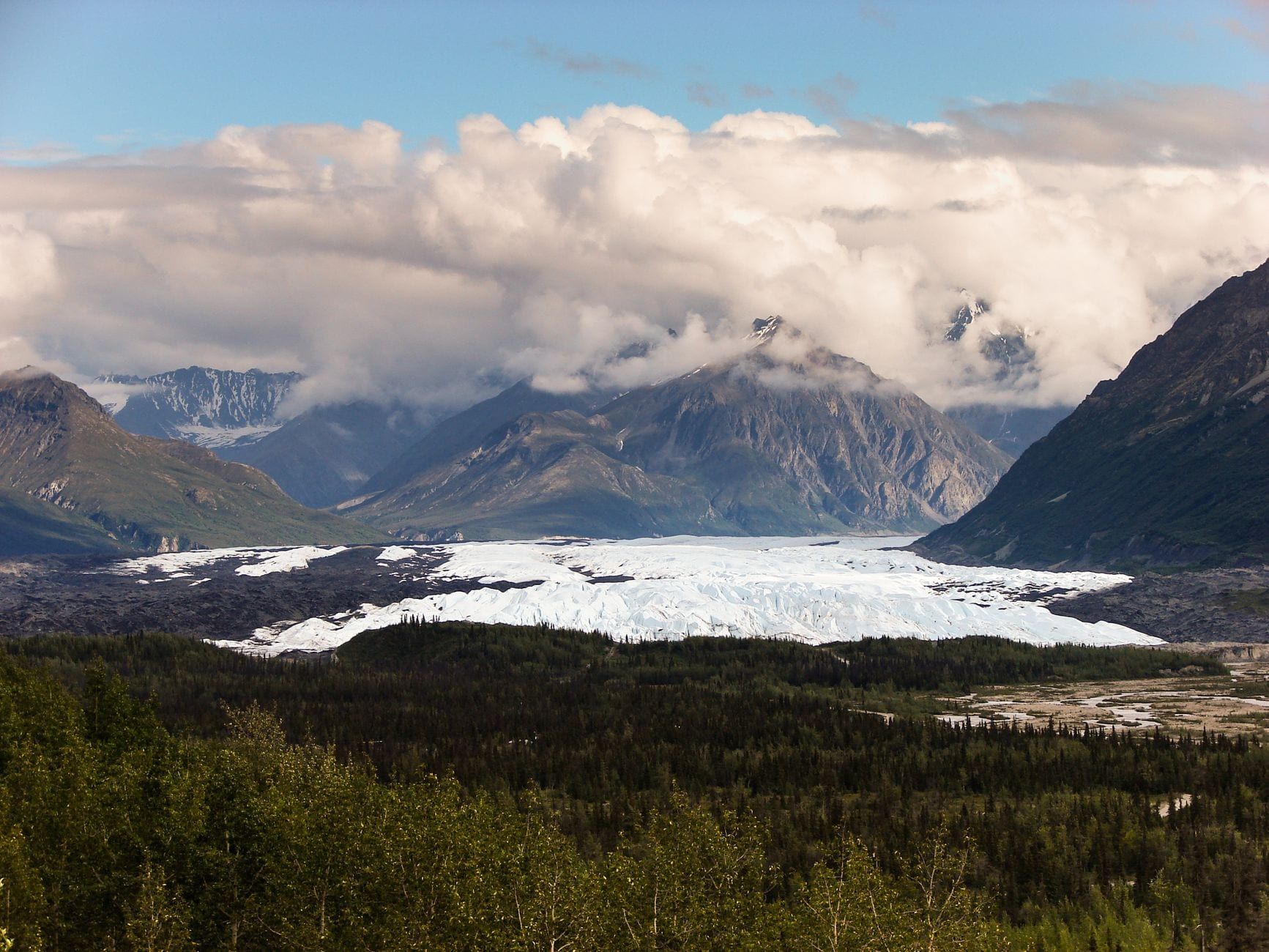
At 27 miles long and up to 4 miles wide at its terminus, Matanuska is the largest glacier in the United States reachable by car — you drive right up to the edge of it. The ice keeps advancing internally at roughly a foot a day even though its outer edge has barely shifted in decades. That's the paradox worth remembering before you duck into any cave: a huge mass of ice is always moving overhead, no matter how solid the entrance looks.
Best Time to See Ice Caves: Winter vs. Summer
Winter, roughly November through March, gives the most consistent cave access. Cold temperatures refreeze the meltwater that carved the tunnels over summer, locking the ice into a firmer, more predictable state, and guides report fewer surprises this time of year. Most of the glowing blue ice-cave photos you'll find online were shot in winter.
Summer trades stability for daylight and easier logistics. Guides can usually point out safe blue-ice features, but the caves themselves are less predictable — a tunnel that's solid in June can be dripping and unsafe by August, and in some years none are considered safe to enter at all. Book a summer trip hoping for a cave, not counting on one.
Spring breakup and the fall freeze are the worst windows. Rapid melting or refreezing widens crevasses and destabilizes cave roofs fast, and some operators pause ice-cave visits for a few weeks during these shoulder periods. If your dates fall there, ask directly about current cave conditions before booking winter tours.
Don't confuse ice caves with the "blue pools." Early June brings a separate phenomenon: old moulins that refroze at the bottom fill with meltwater, forming brilliant turquoise lakes rather than tunnels. Worth seeing, but it isn't a cave.
How to Get There and Access the Glacier
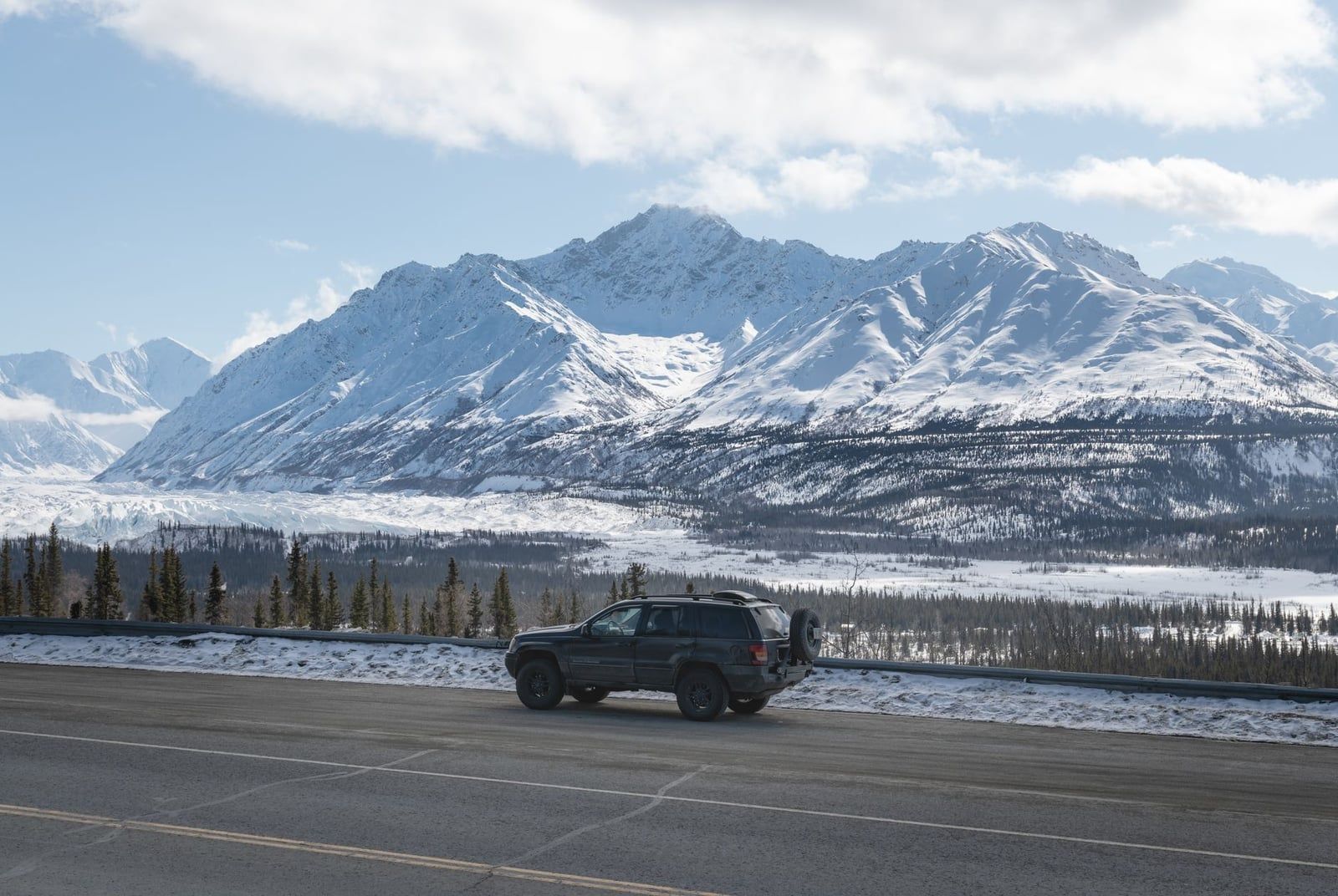
The glacier sits about 100 miles northeast of Anchorage on the Glenn Highway, near Glacier View around highway mile 101-102 — a drive of 2 to 2.5 hours each way. Driving directions are simple, since it's a single scenic highway the whole way, though winter conditions and summer roadwork can add time.
Two separate gates control access, and that catches first-timers off guard. The Alaska DNR runs a state recreation site at mile 101 for viewing only, with no glacier access, just an overlook reached by a short nature trail. The ice itself sits behind a privately controlled road and gate near mile 102, and neither Alaska State Park passes nor federal America the Beautiful passes are accepted there. Check current hours and fees before you go, since the private gate sets its own rates.
You can't just hike to the ice caves on your own. A marked self-guided trail lets summer visitors walk to the glacier's edge after signing a waiver, but it stops well short of any cave, at a sign warning against going further without proper gear. Reaching an actual ice cave means going in with a permitted guide, every season of the year. If you'd rather skip the logistics, an Anchorage day tour bundles the drive, the access fee, and the guide into one booking.
Guided Ice Cave Tours: Options, Prices, and What's Included
Prices vary by operator and by whether the glacier access fee is bundled in or billed separately. A standard 2-3 hour glacier walk with ice cave viewing, when conditions allow, runs roughly $100 to $160 per person; a helicopter option exists for reaching caves farther from the main parking area.
| Operator | Price | What's Included |
|---|---|---|
| Glacier Tours | $160/person | Discounts: $40 for kids 14 & under, $65 for Alaska residents/military |
| NOVA Alaska Guides | $115/person + ~$45 access fee | 3-hour glacier tour, access fee billed separately |
| Glacier Access (Sutton) | $100/person, including kids | Ice caves shown when available |
| Sheep Mountain Lodge | Helicopter, price on request | About 1 hour in the cave, up to 20 minutes flight time |
Every walking tour supplies crampons or ice cleats, a helmet, and trekking poles, plus a safety briefing before anyone sets foot on the ice — don't bring your own crampons expecting to skip the fitting. Guides narrate the geology as you go: how moulins form, why the ice reads blue, what's collapsed or opened up since their last trip out. Compare current options on our tours page rather than showing up hoping for a same-day slot.
Reserve ahead for the Christmas holidays and for February through March, when the Fur Rendezvous festival and the Iditarod start pull crowds into the whole Mat-Su region. Outside those windows, a few days' notice is usually enough in summer.
Is It Safe? Understanding the Risks
Ice caves move even when nothing looks different from the entrance. Meltwater keeps eating at the walls, the glacier itself creeps forward about a foot a day, and the weight of ice overhead builds pressure that lets go without warning. Chunks of ceiling ice fall regularly, and full collapses do happen.
One Matanuska-area cave collapsed roughly two weeks after guides had stopped bringing clients inside — a reminder that safe last week doesn't mean safe today.
Certified guides read the ice before every trip: checking for fresh cracks, listening for dripping or groaning, noting how a cave held up overnight. Matanuska's guiding companies require crevasse-rescue training and Wilderness First Aid certification, and a guide who calls off a cave that day isn't being overcautious. Standard gear includes crampons, a helmet, and sometimes a harness near a drop-off.
Never go in without a guide, and never argue with one who says no. That's the whole safety plan, and it works.
What to Expect and What to Pack
Most tours start with a 15 to 20 minute walk from the parking area across the moraine, a flat, silty apron of gravel dumped by the ice, before you reach the glacier itself. From there, expect 2 to 3 hours on the ice covering roughly 3 to 4 miles, at a pace suited to most fitness levels. Crampons go on before you step onto the ice proper, and guides pick a route around crevasses and any features they've scouted that day.
Inside a cave, the light does something odd: the ice glows blue instead of white. Dense glacial ice absorbs the red, long wavelengths of sunlight and scatters back the blue, short ones, and the more compacted the ice, the deeper the blue. It's also noticeably colder inside than out on the open glacier, so keep your camera close to your body — cold drains batteries fast, and a spare is worth the extra pocket space.
- Warm layers even in summer — glacier wind cuts through fast
- Waterproof, sturdy boots that fit over crampons
- Hat, gloves, and sunglasses for glare off the ice
- Camera with a spare battery, water bottle, and cash for tipping
Winter visitors need insulated snow pants and a real winter jacket; some operators rent full snow gear on-site for guests flying in without their own. For a deeper look at difficulty and pacing, see our Matanuska Glacier hiking guide, or browse hiking tour options if you'd rather walk the ice without betting on a cave being open.
If Matanuska's Caves Aren't Accessible: Other Alaska Ice Caves Worth Comparing
Cave access at Matanuska depends on conditions you can't control from home. If your dates don't line up, a handful of other Alaska glaciers are worth knowing about.
Byron Glacier
Near Portage, about an hour south of Anchorage, Byron's ice caves sit at the end of an easy, mostly flat hike from the trailhead. That easy access is exactly the problem: these caves are among the least stable in the state, and access has been closed entirely in some years after collapses. Treat any posted warning as final.
Spencer Glacier
Spencer's caves sit right on the glacier face, and the catch is getting there — there's no road access at all. The Alaska Railroad's Glacier Discovery Train is the only way in, and the face caves are really only approachable once things freeze solid in winter.
Castner Glacier
Near Fairbanks, Castner offers the easiest true ice cave hike in the state: about a mile along Castner Creek off the Richardson Highway, roughly 100 miles south of the city. Long, stalactite-like ice formations hang from the ceiling inside, a different look from Matanuska's broader tunnels.
Root and Kennicott Glaciers
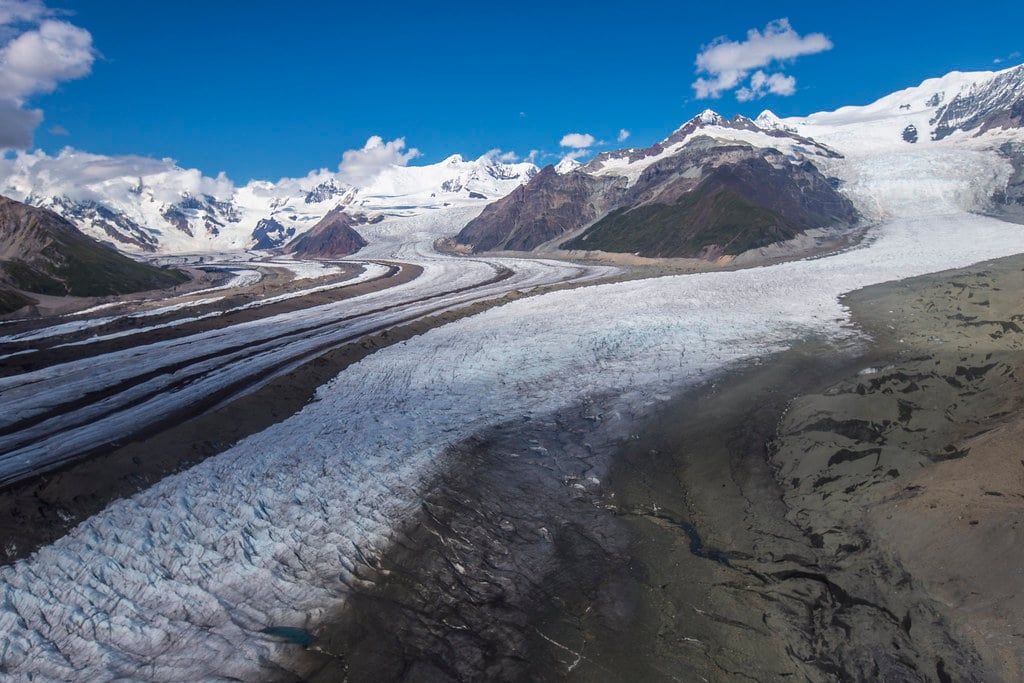
Deep inside Wrangell-St. Elias National Park, these glaciers are reached on guided tours based out of the old copper-mining town of Kennecott. It's a full day's commitment to get there, but the ice formations see far fewer visitors than anything closer to Anchorage.
Mendenhall Glacier
Juneau's once-famous ice caves have largely collapsed and are no longer considered safe or accessible. If you've seen glowing photos of Mendenhall online, know they're a few years out of date — it isn't the cave destination it used to be.
Frequently asked questions
Are there really ice caves at Matanuska Glacier?
Yes, but they're natural and temporary. They form from summer meltwater, then shift, refreeze, or collapse, so operators describe access as "when available" rather than guaranteed. Winter gives the most consistent chance of finding one open.
Can I visit the ice caves without a guide?
No. The road that reaches the ice crosses privately controlled land, and reaching an actual ice cave always requires a permitted guide, in every season. A marked self-guided trail exists in summer, but it stops short of the caves.
What is the best time of year to see the ice caves?
Winter, roughly November through March, gives the most stable conditions for caves and crevasses. Summer access is possible but less predictable, and early June brings a separate "blue pool" phenomenon rather than caves.
How much does a Matanuska Glacier ice cave tour cost?
Expect roughly $100 to $160 per person depending on the operator. Some prices bundle the glacier access fee; others, such as NOVA Alaska Guides, add it separately at around $45. Discounts are common for Alaska residents, military, and younger kids.
How far is Matanuska Glacier from Anchorage?
About 100 miles northeast of Anchorage on the Glenn Highway, near Glacier View around mile 101-102 — a 2 to 2.5 hour drive each way.
Are the ice caves dangerous?
Yes, in the sense that any cave carved into moving ice can collapse or drop debris with little warning. Certified, crevasse-rescue-trained guides check conditions before every trip and will call off a visit to any cave that looks unstable that day.
What should I wear or bring on an ice cave tour?
Warm layers, waterproof boots that fit over crampons, a hat and gloves, sunglasses, a camera with a spare battery, water, and cash for tipping. Winter visitors need insulated snow gear, which some operators rent on-site.
Why is the ice in the caves blue?
Dense glacial ice absorbs the red, long wavelengths of sunlight and scatters back the blue, short ones. The more compacted the ice, the deeper the blue you'll see.